
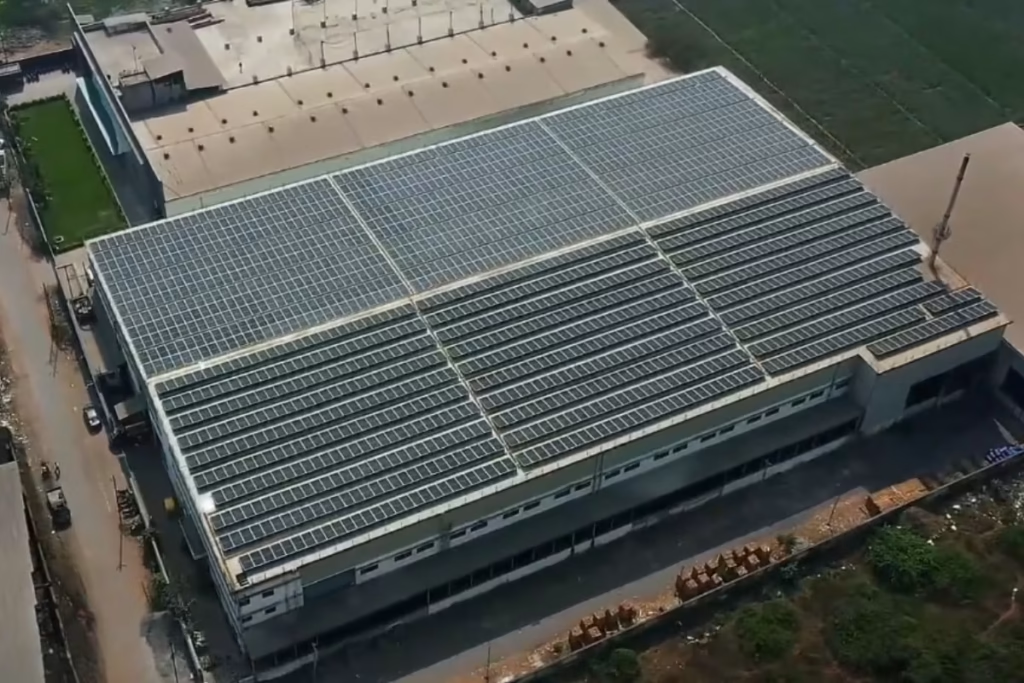
Industrial sheds are not uniform. Span, purlin spacing, sheet condition and age all change what a roof can carry and how an array has to be laid out. We assess the structure before the electrical design, because a plant that stresses the roof is a liability whatever it generates.
On the electrical side the questions are integration and continuity: HT or LT connection, captive consumption against net metering, and how the plant behaves when the factory load swings. Those are answered in design, not discovered at commissioning.
From the first structural check to the performance report a year later, one team owns the whole plant.
Energy stops being a number you only react to at the end of the month, and the incentives and depreciation get claimed properly.
High-capacity design built around what the plant actually draws through a shift, not around average demand.
Shed condition, purlin spacing and wind loading assessed before the array is laid out over a working floor.
Grid synchronisation, protection settings and gross or net metering handled as the connection requires.
Drawings, test reports and compliance files prepared to the standard procurement, lenders and RPO filings ask for.
No subcontracted labour on your roof, and cleaning cycles, thermal checks and performance reporting after handover.
Different plants strain at different points, so the design starts with your process rather than with the roof.
Continuous dyeing, sizing and processing loads across the Surat textile belt.
Chilling and bottling lines with a heavy, steady daytime draw.
Cold storage, packing halls and utilities running right through the shift.
Precision units where power quality matters as much as the cost per unit.
Moulding and extrusion loads with high connected demand.
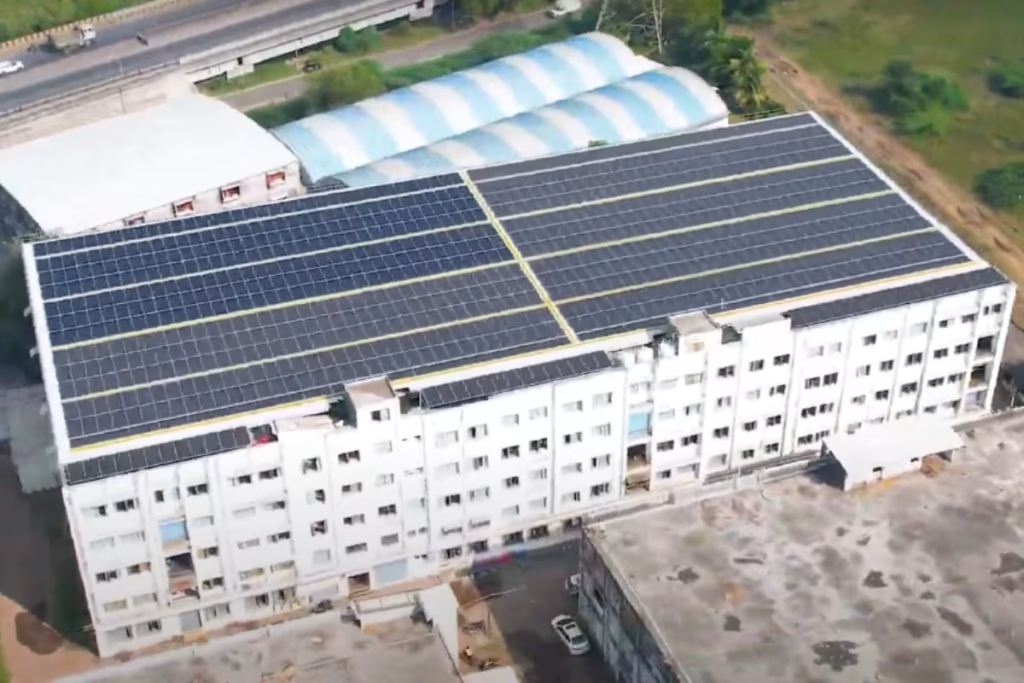
Large campus roof area against predictable weekday consumption.
Four things that separate a plant that clears scrutiny from one that does not.
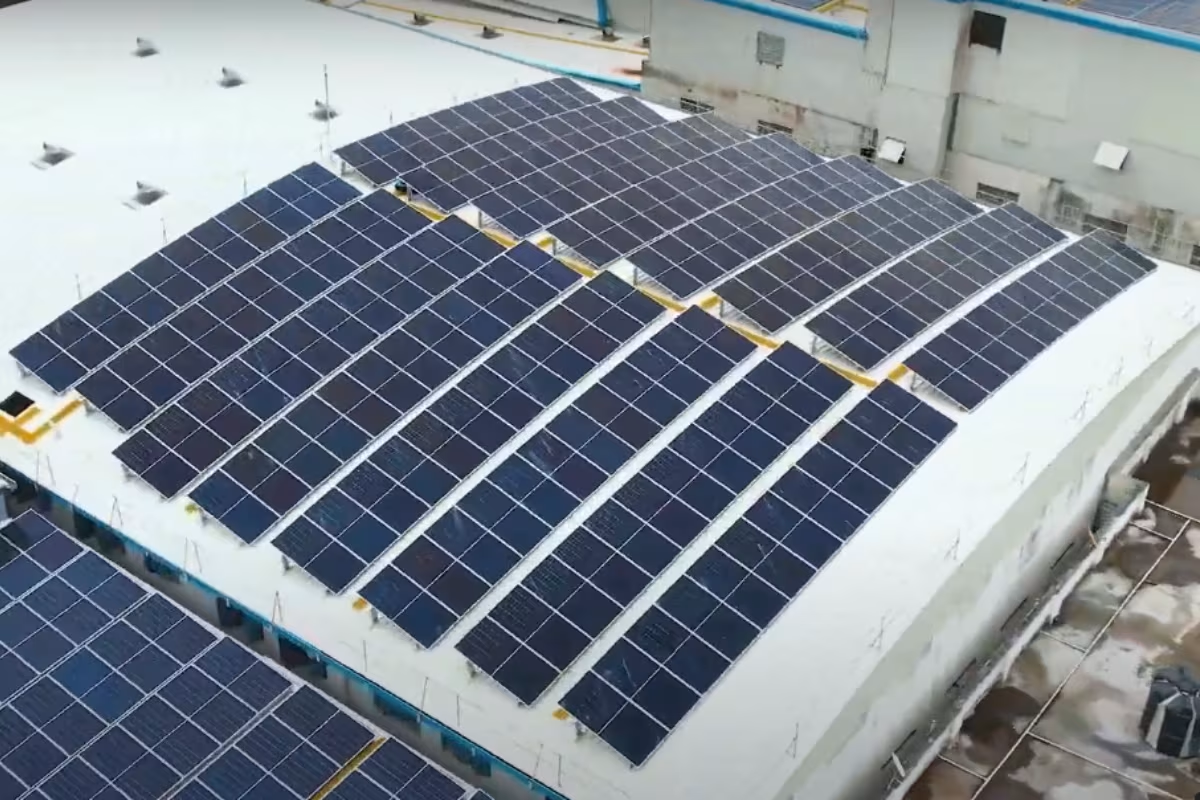
Roof capacity assessed and documented, with mounting designed to the structure rather than around it.
CE and RoHS-compliant modules, inverters and mounting from manufacturers that honour their warranties.
Earthing, lightning protection, cable routing and fire clearances designed in, not retrofitted.
A handover file complete enough for a PSU audit, a lender or an insurer to work from.
A free site visit takes about forty minutes and commits you to nothing.