
Commercial tariffs are built from energy charges, demand charges and time-of-day slabs. A system that looks good against a flat per-unit rate can miss most of the saving. We read the last twelve months of your bills against your load curve, then design for the hours that cost you the most.
The second constraint is disruption. Showrooms, hotels and hospitals cannot shut for an installation, so we phase the work — roof sections, cabling and commissioning scheduled around your operating hours.
One roof, one contract, one team — from reading your bills to the reporting you file afterwards.
Daytime consumption served at generation cost instead of the tariff you are billed today, from the first month it runs.
A fixed share of your load, priced once, for the working life of the asset — plus the accelerated depreciation your accountant can claim.
Twelve months of bills read against your demand profile before anything is designed, so the plant matches the load and not just the roof.
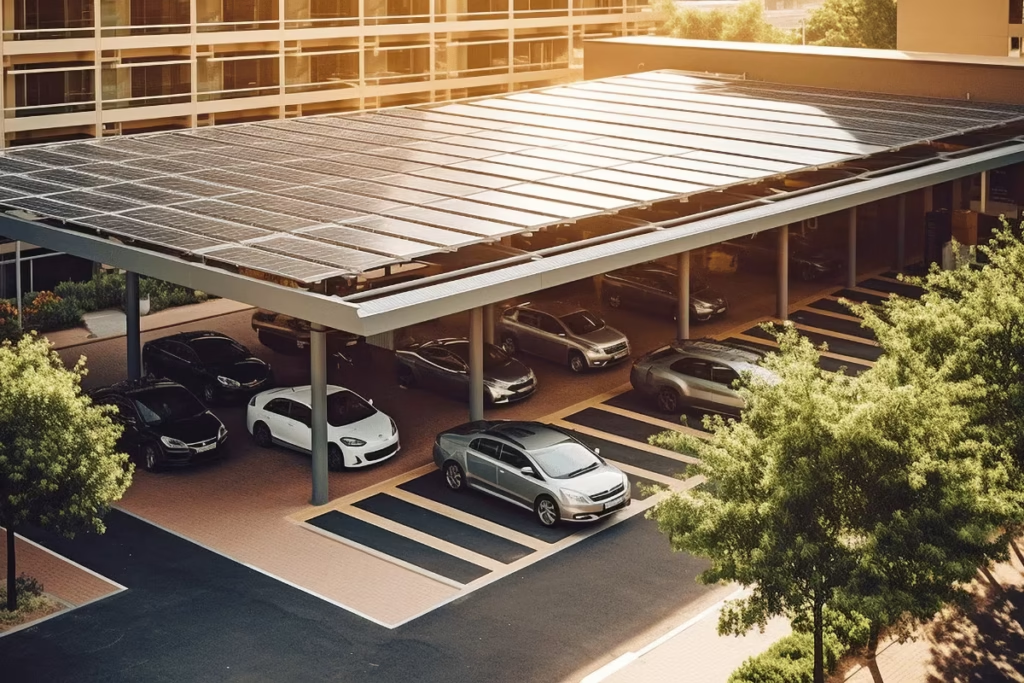
Load-bearing checks and wind analysis before a single mounting foot is fixed, whether it is a roof array or a parking carport.
Sanction load revision, DISCOM applications and net-metering paperwork closed by our team, not left with your facilities manager.
Work sequenced so the premises keep running — then generation reporting your ESG, audit and disclosure teams accept.
Every commercial roof has a different load curve underneath it. These are the ones we work on most often, and what changes for each.
Consumption peaks with the working day, which is exactly when a roof generates most.
Lighting and cooling run from opening to closing, and the array runs with them.
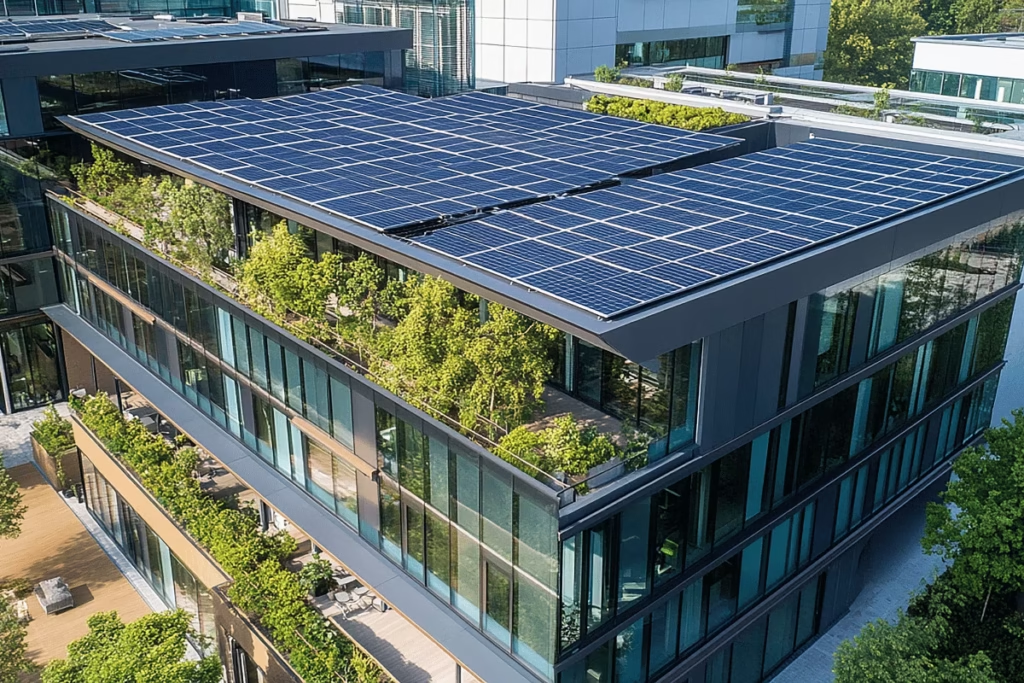
A base load that never really drops, and a terrace that is usually sitting empty.
Daytime diagnostic and HVAC load, with grid and DG backup unchanged behind it.
Large, uninterrupted, low-shading roofs. The best surface in commercial solar.
Predictable weekday consumption, and a campus that can teach with the system.
Four effects, all of them measurable against the bill you already pay.
Generation lands in the hours your tariff is most expensive, which is where the largest share of the saving sits.
Every unit generated on site is a unit not bought, before transmission and duty charges are added.
Commercial plants qualify for accelerated depreciation, improving the effective payback for the business.
Once installed, the cost is fixed for the life of the plant while grid tariffs continue to move.
A free site visit takes about forty minutes and commits you to nothing.